
Sialkot Safety Glove Manufacturers: B2B Sourcing & OEM Guide
Finding the right glove manufacturers in Sialkot is the single most critical strategic decision for overseas PPE importers, hardware distributors, and safety apparel brands. Sialkot has long stood as an international export powerhouse, yet navigating hundreds of local stitching facilities, tanneries, and export workshops requires a disciplined, specification-first methodology. For a commercial buyer, long-term procurement success does not depend on the size of a supplier's brochure. It depends entirely on whether your partner can translate technical requirements into verified physical samples, transparent accredited test reports, and bulk shipments that consistently match the approved reference.
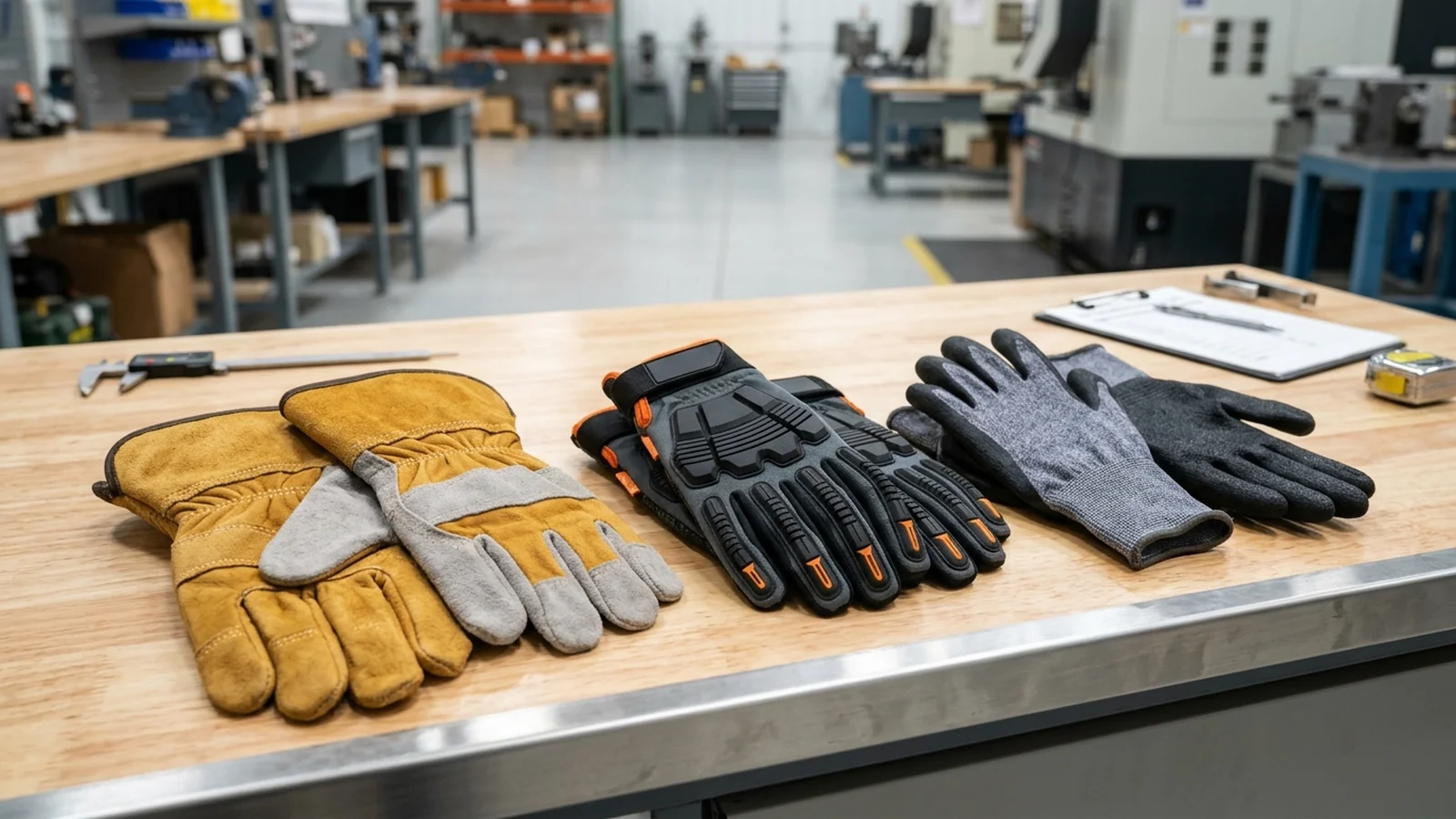
Whether you are developing private label work gloves for an equipment distributor or contracting wholesale safety gloves for heavy construction and manufacturing, this guide outlines every procurement milestone. We examine raw material grades, European and American safety norms, prototype sampling feedback loops, minimum order quantities (MOQs), quality checkpoints, and container logistics.Procurement Summary:•Location: Sialkot Industrial Zone, Punjab, Pakistan•Certifications Available: CE EN 388, EN ISO 21420 (EN 420), ANSI/ISEA 105, ISO 9001•Core Categories: Mechanic, Driver, Welding, Tactical & Cut-Resistant Industrial PPE•OEM Capabilities: Custom TPR impact pads, silicone palm printing, custom woven labels & low MOQ trial runs
📋 Request Custom Glove Samples & Factory Direct Pricing
Partner directly with an established industrial safety gloves manufacturer in Sialkot. Submit your tech pack, required cut levels, and branding specifications for physical counter-samples in 7–10 days. Submit Your Technical Brief & Request a Quote →---
Why Sialkot Dominates Global Safety & Work Glove Manufacturing
For over a century, Sialkot in northeastern Pakistan has served as a specialized manufacturing cluster for precision metalwork, sporting goods, and technical leathercraft. Today, the industrial glove and hand protection sector in Sialkot represents a fully integrated industrial ecosystem backed by domestic raw materials and seasoned export infrastructure.
When evaluating an OEM work gloves factory or a private label safety gloves supplier in Pakistan, international procurement teams benefit from four primary structural advantages:
- Direct Tannery and Raw Material Supply: Sialkot is situated near major livestock belts and industrial tanneries in Punjab. Local access to cowhide, water buffalo split, and high-tensile goatskin allows factories to source hides quickly, maintain consistent grain grades, and adjust tanning formulations to satisfy REACH and chemical compliance norms.
- Generational Craftsmanship: Experienced leather cutters, pattern drafters, and stitching operators understand how pattern construction, keystone thumb placement, gunn cut layouts, and welted seams impact field longevity.
- Material Flexibility: Beyond traditional leather, modern facilities in Sialkot work extensively with technical synthetics, including high-performance polyethylene (HPPE) cut-resistant yarns, aramid heat barriers, molded thermoplastic rubber (TPR) impact guards, and specialized nitrile or polyurethane coatings.
- Established Export Logistics: Sialkot exporters regularly handle export documentation for North America, the European Union, the United Kingdom, the Middle East, and Australia. They understand the practical necessity of Certificates of Origin, commercial invoices, packing lists, and certified laboratory test reports.
At the same time, factory capabilities across the city vary. While top-tier facilities operate automated laser cutting tables and in-house mechanical testing rigs, smaller subcontractor units may rely on manual tooling and uneven quality control. Sourcing safely requires rigorous pre-production vetting or working alongside an experienced local sourcing partner such as Halvex Group to oversee quoting, sampling, and pre-shipment inspections.
---
Core Industrial Glove Categories & Technical Specifications
B2B buyers source a wide spectrum of hand protection from Sialkot. The sections below outline the primary product families and their essential mechanical details.
1. Cut-Resistant & High-Dexterity Work Gloves (CE EN 388 / ANSI)
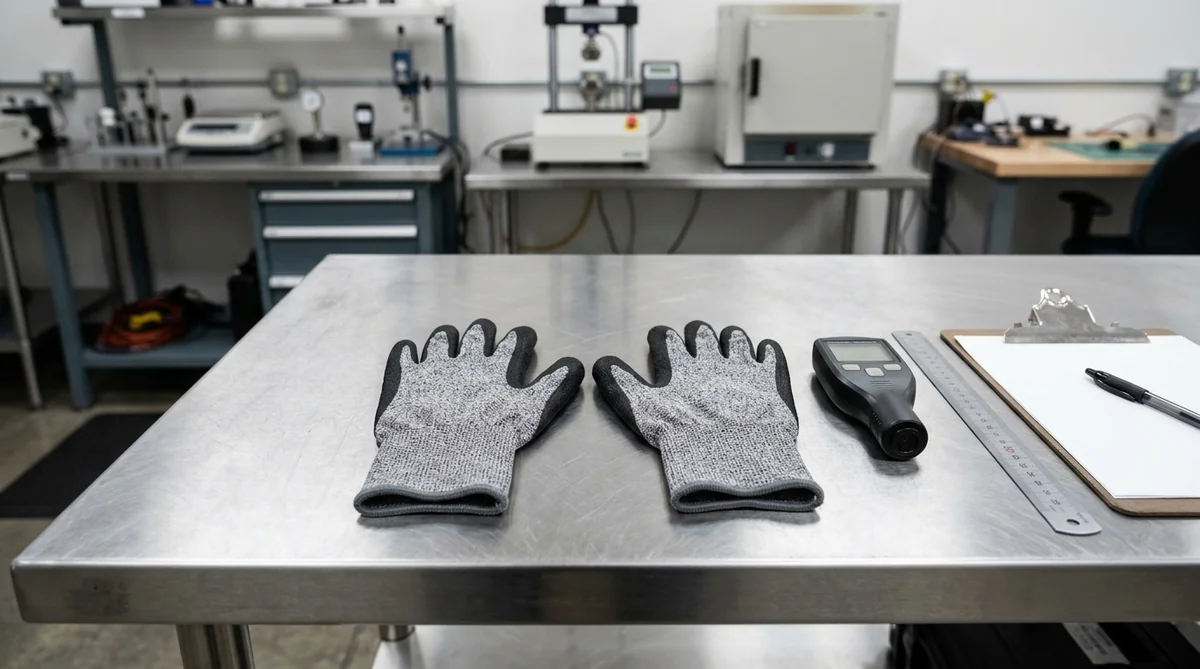
Engineered for metal fabrication, automotive assembly, and glass handling, these gloves utilize 13-gauge or 18-gauge seamless knit liners composed of high-performance polyethylene (HPPE), steel wire cores, and glass fibers. Palm dip coatings range from micro-foam nitrile (for oily grip) to water-based polyurethane (for cleanroom precision) and sandy nitrile (for maximum abrasion resistance). Cut resistance spans ISO Cut Levels C through F (ANSI A3 through A9).2. Premium Leather Driver & Welding Gauntlets
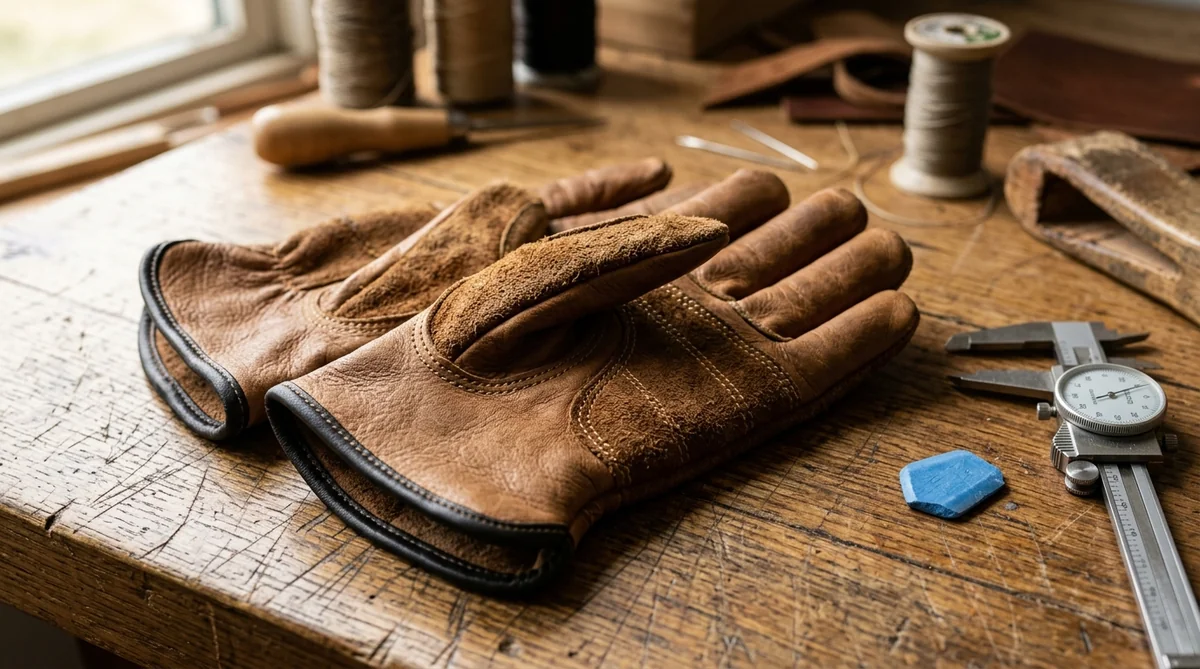
Heavy industrial operations demand robust barrier protection against heat, sparks, and rough friction. Driver gloves feature supple full-grain goatskin or cowhide with keystone thumbs and elasticated shirred backs for maximum dexterity. Heavy-duty welding gauntlets utilize 1.2–1.4 mm split cowhide lined with flame-retardant cotton fleece or wool, stitched throughout with heat-resistant Kevlar aramid thread to prevent seam unraveling.3. OEM Mechanic & Tactical Utility Gloves
Modern technical work gloves combine high-tensile synthetic microfiber leather palms with breathable spandex backs and molded Thermoplastic Rubber (TPR) armor across knuckles and fingers (ANSI/ISEA 138 Level 1 or 2 impact protection). Reinforcements include touchscreen-compatible index fingertips, neoprene wrist closures with heavy-duty hook-and-loop fasteners, and silicone-printed palm patterns for superior dry and wet grip.| Glove Category | Primary Applications | Common Raw Materials | Essential Technical Details to Specify | Halvex Reference |
|---|---|---|---|---|
| Heavy-Duty Leather Work Gloves | Construction, rigging, steel handling, warehousing | Split cowhide, grain cowhide, buffalo leather | Leather thickness (1.1–1.3 mm), palm patch reinforcement, rubberized safety cuff vs. knit wrist | HG-G-02, HG-G-12 |
| Driver & Rigger Gloves | Logistics, trucking, utility maintenance, agriculture | Premium grain goatskin, grain cowhide | Keystone thumb, elasticated shirred back, rolled hem edge, grain uniformity | HG-G-06, HG-G-07 |
| Mechanic & Impact Gloves | Automotive assembly, oil and gas, demolition | Synthetic microfiber leather, spandex, molded TPR | TPR impact coverage (knuckles/fingers), hook-and-loop neoprene wrist closure, palm gel padding | HG-G-01 |
| Cut-Resistant Safety Gloves | Metal fabrication, glass handling, food processing | 13-gauge or 18-gauge HPPE, steel wire core, glass fiber | ISO/EN cut score (Level C to F), palm coating (sandy nitrile, PU, micro-foam latex), touchscreen tips | HG-G-04 |
| Welding & High-Heat Gauntlets | MIG/TIG welding, foundry work, metal smelting | Heavy split cowhide, goatskin (TIG), aramid thread | Kevlar thread reinforcement, full cotton fleece or wool lining, 14-inch to 16-inch gauntlet cuff | HG-G-11 |
| Coated Assembly & Grip Gloves | Precision assembly, parts handling, packing | Polyester, nylon or HPPE seamless knit liner, nitrile | Nitrile formulation (foam, smooth, sandy, micro-dotted), lint-free requirements, cuff overedge color | HG-G-09 |
| Cold-Weather & Insulated Gloves | Cold storage logistics, winter utilities, outdoor work | Grain leather shell, waterproof breathable membrane | Thinsulate or fleece insulation weight (40g to 150g), waterproof insert, extended storm cuff | HG-G-08 |
---
Technical Safety Standards and Regulatory Compliance
When hand protection is sold as Personal Protective Equipment (PPE), verbal assurances from a vendor carry zero legal weight. Regulatory bodies in destination markets require accredited third-party test reports verifying that gloves satisfy standardized performance thresholds.
Any professional industrial gloves supplier must be able to discuss the test regimes relevant to your target jurisdiction:
European Norms (EU & UKCA Standards)
Under Regulation (EU) 2016/425, protective gloves are classified under Category I (minimal risk), Category II (intermediate risks such as mechanical hazards), or Category III (complex/irreversible risks such as chemical or thermal hazards). Key standards administered by the European Committee for Standardization (CEN) include:- EN ISO 21420 (General Requirements): Governs baseline ergonomics, sizing, glove construction, innocuousness (neutral pH balance, non-allergenic dyes), and strict chemical limits, including Chromium VI in leather (< 3.0 mg/kg under EN ISO 17075) and Polycyclic Aromatic Hydrocarbons (PAHs).
- EN 388 (Mechanical Hazards): The primary European mechanical standard. Its four-digit shield represents:
- Abrasion Resistance (Levels 1–4)
- Blade Cut Resistance (Coupe Test index: Levels 1–5)
- Tear Resistance (Levels 1–4)
- Puncture Resistance (Levels 1–4)
- ISO 13997 TDM Cut Test (Letters A–F): Mandatory when blade dulling occurs in the Coupe test, measuring cut resistance force in Newtons.
- Impact Protection (Marked 'P'): Evaluates shock attenuation over knuckles and dorsal metacarpals.
- EN 374 (Chemical & Micro-Organism Hazards): Evaluates permeation breakthrough times against challenge chemicals for nitrile, latex, and unsupported gloves.
North American Standards (ANSI/ISEA 105)
In North America, the ANSI/ISEA 105 standard defines hand protection classifications:- Cut Resistance: Rated on a 9-level scale (A1 to A9) using the ASTM F2992-15 test method, measuring load capacity from < 200g up to > 6,000g.
- Abrasion & Puncture: Graded on 0–6 numeric scales based on ASTM D3389/D3884 and EN 388 probes.
- Impact Attenuation: ANSI/ISEA 138 classifies impact performance across Levels 1, 2, and 3 for dorsal hand protection.
---Procurement Rule: Always request the official test summary from an accredited testing institute (such as CTC, SATRA, SGS, or Intertek). Verify that the certificate corresponds exactly to the style reference, raw material batch, and liner construction quoted for your order.
Leather Selection: Comparing Cowhide, Goatskin, and Split
Raw material selection directly determines both unit cost and field durability. A reputable factory will clearly state the exact hide cut and tanning method used.
- Full Grain Cowhide: Retains the natural outer epidermis. It delivers exceptional tensile strength, natural water repellency, and superior puncture resistance. It is the premier choice for heavy rigging, equipment operation, and general utility work.
- Top Grain Cowhide: Lightly buffed to eliminate minor surface flaws while maintaining suppleness and strength.
- Split Leather (Suede): Cut from fibrous inner hide layers after top grain separation. It provides outstanding abrasion resistance and firm grip, making it the most cost-effective material for construction gloves, foundry work, and welding gauntlets. Split leather should always be specified by thickness (e.g., 1.0–1.2 mm for handling; 1.2–1.4 mm for heavy welding).
- Goatskin: High natural lanolin content and a tight, interlocking fiber network give goatskin exceptional tensile and tear resistance. It offers unmatched tactile sensitivity, making it the preferred leather for driver gloves, precision TIG welding, and utility lineman work.
- Water Buffalo: Coarser and denser than cowhide, buffalo leather provides heavy-duty durability at an economical price point. It requires a slightly longer break-in period and is widely used for rough handling, scrap yard tasks, and brick staging.
| Leather Property | Full Grain Cowhide | Split Cowhide | Premium Goatskin | Water Buffalo |
|---|---|---|---|---|
| Tensile Strength | High | Moderate | Very High | High |
| Tactile Sensitivity | Moderate | Low | Exceptional | Moderate |
| Abrasion Resistance | High | Very High | High | Very High |
| Puncture Resistance | Very High | Moderate | High | High |
| Suppleness / Flexibility | Moderate | Stiff initially | Very Supple | Stiff initially |
| Relative Cost | Premium | Economical | Mid-to-High | Mid-to-Low |
---
Step-by-Step OEM Manufacturing Workflow
A dependable contract manufacturing program follows a structured 4-stage development process:
- Product Brief & Artwork Submission: Overseas buyers submit CAD drawings, physical reference samples, or tech packs detailing pattern cuts (Gunn cut vs Clute cut), thumb geometry (Keystone, Wing, or Straight), shell materials, lining weight, and safety targets.
- Material Sourcing & Sample Development: Tanning formulations are calibrated, pattern dies are prepared, and counter-samples are produced. Physical prototype delivery typically takes 7 to 10 business days.
- Pre-Production Review: Overseas buyers inspect sample palm seams, leather thickness, finger flex, stitch tension, and custom branding (TPR rubber patches, woven labels, or silicone palm printing). Revisions are finalized before mass cutting.
- Bulk Production & Quality Inspection: Orders proceed through automated die-cutting, precision stitching with Kevlar or high-tensile polyester thread, metal hand-form sizing checks, and ISO 2859-1 AQL pre-shipment audits.
---
5 Critical Questions to Ask Before Placing a Wholesale Glove Order
Before issuing a purchase order deposit to any Sialkot glove supplier, verify these five operational details:
- What are your leather thickness specifications in millimeters? Ensure quotes specify minimum thickness tolerances (e.g., 1.1–1.3 mm) rather than broad ranges, preventing the substitution of thinned leather.
- Are glove samples tested to accredited European EN 388 or ANSI standards? Ask for recent lab test reports from notified bodies (SATRA, CTC, or SGS) that verify mechanical abrasion, cut, and puncture ratings.
- What custom logo application methods are available? Verify whether the factory offers high-frequency TPR rubber patches, woven side-seam labels, thermal transfer prints, or debossed leather stamping.
- What is the sample lead time and counter-sample revision policy? Reliable export manufacturers deliver initial prototypes in 7–10 days and support iterative revisions before full tooling sign-off.
- Which export packing and Incoterms apply? Confirm whether quotes are based on FOB Karachi Port, CIF destination port, or expedited air freight via Sialkot International Airport (SKT).
---
Commercial Terms: MOQ, Sampling Lead Times, and Pricing
Procurement managers must balance order quantities against inventory cycles:
- Stock Styles with Standard Leather: For baseline styles using standard cowhide or split leather, initial trial orders can start at accessible quantities (e.g., 100 to 250 pairs).
- Custom Private Label Programs: Full OEM orders featuring custom-dyed leather, proprietary TPR molds, branded silicone palms, or specialty knit liners typically require an MOQ of 500 to 1,000 pairs per style.
- Sampling Timelines: Physical prototypes with standard materials take 7 to 10 working days. Bespoke molded TPR tooling or custom-dyed leather may take 12 to 15 days.
- Production Lead Times: Mass manufacturing after final sample sign-off generally ranges between 30 to 45 days depending on order volume and seasonal factory capacity.
When reviewing competing quotes, be cautious of prices that sit 20% to 30% below regional market averages. Substantial discounts almost always indicate thinned leather split (substituting 0.8mm for 1.2mm), low-grade cotton thread that unravels under stress, uncertified synthetic liners, or omitted chemical compliance testing.
---
Export Packaging and Logistics Management
Gloves are dense and heavy when packed in bulk. Ensuring goods reach your distribution center without mold, carton collapse, or barcode issues requires structured logistics management.
As outlined on our international trade and global presence page, export best practices include:
- Moisture Protection: Sialkot experiences monsoonal humidity in summer. Shipments destined for ocean transit require food-grade silica gel packets inside inner polybags and moisture-absorbing desiccant poles suspended in sea containers.
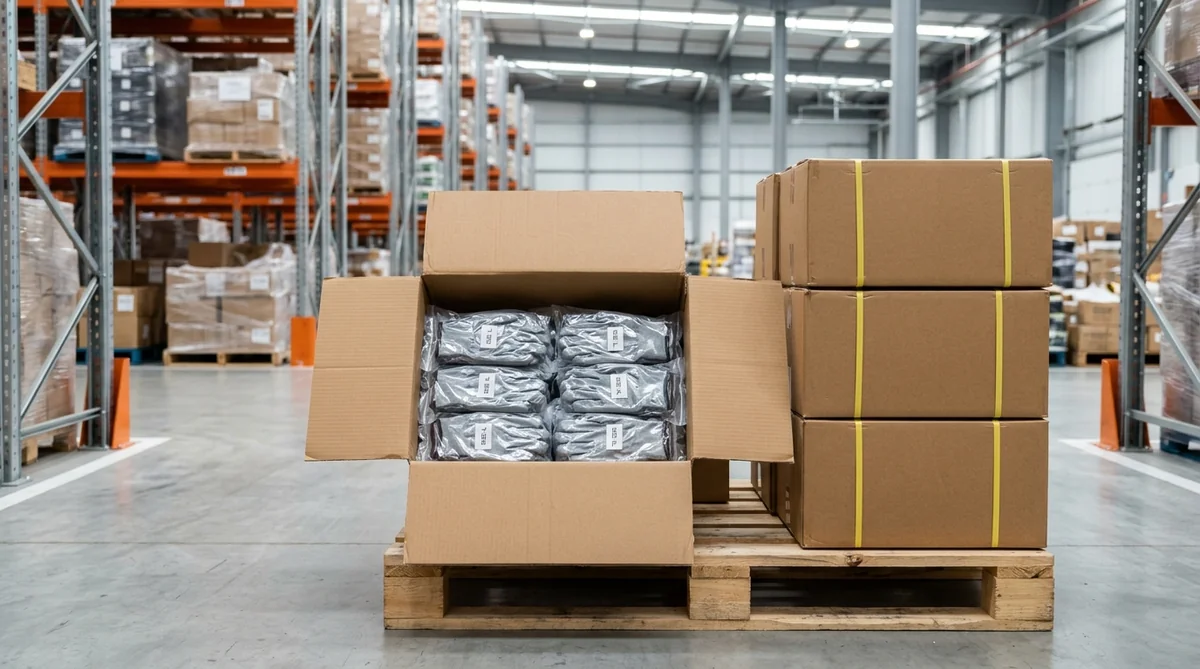
- Carton Compression Strength: Master cartons should use 5-ply or 7-ply double-wall fluted corrugated board rated to withstand container stacking without crushing lower tiers.
- Palletization: For automated distribution centers in Europe and the US, cartons should be stacked on ISPM-15 heat-treated pallets, reinforced with corner boards, and secured with stretch wrap.
- Logistics Coordination: Cargo can be booked under standard Incoterms (FOB Karachi Port, CIF destination port, or air freight via Sialkot International Airport for urgent sample dispatches).
---
Where Halvex Group Fits in Your Hand Protection Supply Chain
Halvex Group operates from Sialkot, Pakistan, as a specialized B2B sourcing partner and supplier. We connect overseas procurement teams with vetted manufacturing facilities across our regional cluster.
Rather than offering an inflexible catalog, our multi-division organization delivers:
- Accurate Technical Translation: We convert your CAD drawings, physical reference samples, or performance briefs into precise production specifications.
- Multi-Category Consolidation: Procurement teams sourcing leather jackets from Sialkot or surgical instruments from Sialkot can consolidate vendor communication, compliance auditing, and export packing under a single point of contact.
- On-Site Quality Oversight: We enforce incoming material checks, dimensional audits, and pre-shipment inspections before goods leave the warehouse.
- Clear Commercial Terms: An inquiry is never an order. Specifications, lab certifications, sampling budgets, and shipping options are confirmed in writing for every individual project.
Learn more about our organizational background on the About Halvex Group page or review our five-stage sourcing and manufacturing process.
---
Frequently Asked Questions
What is the typical MOQ for gloves from Sialkot manufacturers?
Minimum order quantities depend on leather selection, tooling requirements, and custom branding. For stock patterns using standard leather grades, trial quantities may start lower (100–250 pairs), while fully custom private label programs with molded TPR, special knit liners, or bespoke dyeing typically start around 500 to 1,000 pairs. Always confirm MOQ per size and per colorway during the initial quotation stage.Can Sialkot glove manufacturers produce custom private label designs?
Yes. Sialkot is one of the world's leading centers for OEM and private label glove manufacturing. Factories routinely incorporate custom woven labels, high-frequency rubberized patches, laser-etched logos, bespoke colorways, and retail hangtags according to your tech pack.Which safety standards should industrial work gloves meet?
Hand protection standards depend on the hazard and market. For the European Union and UK, EN ISO 21420 (general requirements) and EN 388 (mechanical risks: abrasion, cut, tear, puncture, impact) are mandatory under PPE Regulation (EU) 2016/425. For the US, ANSI/ISEA 105 cut and abrasion levels serve as the benchmark. Welding gloves must also meet EN 407 thermal requirements.How do B2B buyers evaluate sample gloves before approving bulk production?
Request physical pre-production samples and evaluate them against a written checklist: verify leather thickness with a digital caliper, inspect palm seam alignment and thumb crotch reinforcement, test finger flex and grip feel on actual tools, review label accuracy, and confirm stitch tension shows no loose threads or skipped needle passes.What is the difference between cowhide, goatskin, and split leather work gloves?
Full grain cowhide offers heavy-duty durability, high tensile strength, and superior puncture resistance. Split cowhide provides excellent abrasion resistance and natural grip at an economical price point, ideal for welding. Goatskin features high natural tensile strength in thinner gauges, providing maximum tactile sensitivity and dexterity for driving and precision assembly.What information must be included in a glove quotation request?
A complete glove RFQ should include the intended application, glove pattern reference (such as Halvex references HG-G-01 through HG-G-12), palm and back material specifications, lining preference, required safety standards (EN 388/ANSI cut levels), target size breakdown, custom branding artwork, packing requirements, target order volume, and destination delivery port.---
Ready to Develop Your Glove Program?
Whether you are looking to refine an existing safety glove line, develop a custom private label driver glove, or benchmark pricing for wholesale distribution, our technical sourcing team is ready to evaluate your brief.
Explore our Safety Gloves Manufacturer & OEM Exporter Sialkot division, review our quality assurance benchmarks, or submit your specification directly through our B2B Quote Request Form. You can also reach our Sialkot office directly at sales@halvexgroup.com or via WhatsApp on +92 343 6432568.